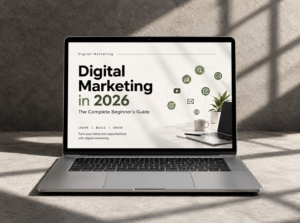
The Complete Beginner’s Guide to digital marketing explains why having a strong online marketing presence has become increasingly valuable for businesses of all sizes. As more customers rely on digital channels to discover and evaluate businesses, companies need to understand how online marketing can help them reach the right audience. Today, customers spend a large amount of their time online searching for information, discovering products, watching videos, comparing services, and communicating with brands. The Complete Beginner’s Guide also highlights how businesses can adapt to these changes in consumer behavior and build a strong digital presence to remain competitive.
Whether you are a student, freelancer, entrepreneur, small business owner, or someone looking to build a career, The Complete Beginner’s Guide to digital marketing can help you understand the opportunities available in the digital world. The Complete Beginner’s Guide is designed to make digital marketing easier to understand, even if you have no previous experience. With the right strategy, consistent practice, and a willingness to learn, anyone can develop useful digital marketing skills. By following The Complete Beginner’s Guide, beginners can gradually build their knowledge and confidence. The Complete Beginner’s Guide can also help learners understand the essential concepts and practical skills needed to start a career or grow a business through digital marketing.
What Is Digital Marketing?
The Complete Beginner’s Guide explains that digital marketing is the process of promoting products, services, businesses, or personal brands using digital channels. These channels include search engines, websites, social media platforms, email, online advertisements, blogs, and video platforms. The Complete Beginner’s Guide also helps beginners understand how digital marketing differs from traditional marketing methods such as newspapers, television advertisements, radio, posters, and billboards. In contrast, digital marketing allows businesses to connect with potential customers through the online channels and platforms they regularly use.
By following The Complete Beginner’s Guide, beginners can learn how different digital channels work together to reach the right audience. The Complete Beginner’s Guide provides a simple starting point for understanding the fundamentals of digital marketing and building practical knowledge.
.One major advantage of digital marketing is its ability to target specific audiences. A business can create campaigns based on factors such as location, interests, search behavior, age groups, and online activities.Digital marketing also provides measurable results. Businesses can analyze website visits, clicks, leads, conversions, engagement, and advertising performance to understand whether their marketing strategy is working.
Digital Marketing in 2026: Your Complete Beginner’s Guide to Success
As more customers rely on digital channels to discover and evaluate businesses, having a strong online marketing presence has become increasingly valuable for companies of all sizes. Today, customers spend a large amount of their time online searching for information, discovering products, watching videos, comparing services, and communicating with brands.
Because of this change in consumer behavior, businesses need a strong digital presence to remain competitive.Whether you are a student, freelancer, entrepreneur, small business owner, or someone looking to build a career, learning digital marketing can open many opportunities. The good news is that you don’t need to be an expert to get started. With the right strategy, consistent practice, and a willingness to learn, anyone can develop useful digital marketing skills.
What Is Digital Marketing?
Digital marketing is the process of promoting products, services, businesses, or personal brands using digital channels. These channels include search engines, websites, social media platforms, email, online advertisements, blogs, and video platforms.Traditional marketing depends heavily on methods such as newspapers, television advertisements, radio, posters, and billboards. In contrast, digital marketing enables businesses to engage with potential customers through the online channels and platforms they regularly use.
One major advantage of digital marketing is its ability to target specific audiences. A business can create campaigns based on factors such as location, interests, search behavior, age groups, and online activities.Digital marketing also provides measurable results. Businesses can analyze website visits, clicks, leads, conversions, engagement, and advertising performance to understand whether their marketing strategy is working.
Why Is Digital Marketing Important?
Online channels now play a significant role in how consumers research products, compare different options, and decide which businesses or services to choose. Before buying a product or service, many customers search online, read reviews, watch videos, compare prices, and look at a company’s social media presence.
Having a quality product is only the starting point; businesses also need to establish a visible online presence so that potential customers can easily find their products or services.When planned and executed effectively, digital marketing can support businesses in achieving goals such as:
* Increase brand awareness
* Reach new customers
* Generate leads
* Increase website traffic
* Build customer trust
* Improve online visibility
* Increase sales
* Develop long-term customer relationships
Digital marketing is particularly useful for small businesses because many online marketing methods can be started with relatively small budgets.
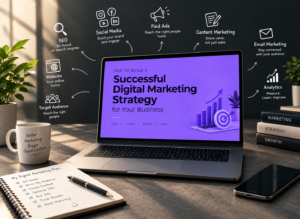
Search Engine Optimization
Search Engine Optimization (SEO) is a key digital marketing practice that helps websites improve their presence and visibility in search engine results.SEO involves improving a website so that it has a better chance of appearing in search engine results for relevant searches.For instance, a Kerala-based digital marketing agency can optimize its website to reach potential clients who use search engines to find services such as “digital marketing agency in Kerala” or “SEO services in Kerala.”SEO includes several important activities, including keyword research, content creation, on-page optimization, technical improvements, website speed optimization, internal linking, and building quality backlinks.
SEO is generally a gradual process rather than an instant marketing solution. New or updated pages may take time to gain visibility, while regular optimization and valuable, relevant content can help improve organic search performance over the long term.
Social Media Marketing
Social media provides businesses with a practical way to promote their brand, interact with audiences, and develop stronger relationships with potential customers.Social media platforms such as Instagram, Facebook, YouTube, and LinkedIn enable businesses to showcase their offerings, share valuable content, and engage with audiences that are relevant to their brand.Effective social media marketing goes beyond posting content regularly; it requires a clear strategy, audience understanding, and content that encourages meaningful engagement. The content needs to be useful, interesting, entertaining, or relevant to the audience.
A strong social media strategy can use a variety of content formats to attract attention and keep audiences engaged, such as:
* Educational videos
* Short-form videos
* Product demonstrations
* Customer testimonials
* Tutorials
* Industry tips
* Behind-the-scenes content
* Frequently asked questions
* Promotional offers
Consistency is important, but quality and relevance are equally important. Businesses should understand what their audience wants to see and create content around those interests.
Google Ads and Paid Advertising
Organic marketing strategies can take time to produce results. Paid campaigns give businesses an additional opportunity to place their products or services in front of relevant audiences and attract potential customers within a shorter period.Google Ads enables businesses to promote their offerings to users whose online searches indicate an interest in related products or services.For instance, when someone searches online for a nearby digital marketing course, relevant training providers may display their paid advertisements alongside the search results.
Social media advertising can support different business objectives, allowing companies to design campaigns focused on increasing website visits, collecting leads, generating sales, promoting app downloads, or strengthening brand recognition.Putting a budget behind an advertising campaign does not automatically produce the desired results; success depends on factors such as audience targeting, creative quality, campaign objectives, and continuous performance optimization.Effective advertising requires proper audience targeting, keyword research, compelling advertisements, appropriate landing pages, and regular performance analysis.
The Complete Beginner’s Guide. Content Marketing
Content marketing creates useful information that attracts and engages a target audience. Instead of constantly promoting products, businesses can share valuable solutions to common problems. The Complete Beginner’s Guide to content marketing can help beginners understand industry trends, common questions, and practical marketing challenges. The Complete Beginner’s Guide also provides a simple starting point for learning effective digital marketing strategies.
10 Ways to Increase Your Instagram Engagement
or
A Beginner’s Guide to Google Ads.
Someone searching for this information may discover the company’s website through the article. If the content is useful, that visitor may eventually become a follower, subscriber, lead, or customer.Content marketing can include blogs, videos, social media posts, guides, case studies, infographics, podcasts, and newsletters.
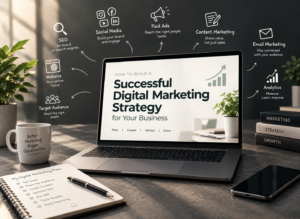
Email Marketing
Email campaigns give businesses a direct Online channels now play a significant role in how consumers research products, compare different options, and decide which businesses or services to choose. Before buying a product or service, many customers search online, read reviews, watch videos, compare prices, and look at a company’s social media presence.Having a quality product is only the starting point; businesses also need to establish a visible online presence so that potential customers can easily find their products or services.When planned and executed effectively, digital marketing can support businesses in achieving goals such as:
* Increase brand awareness
* Reach new customers
* Generate leads
* Increase website traffic
* Build customer trust
* Improve online visibility
* Increase sales
* Develop long-term customer relationships
Digital marketing is particularly useful for small businesses because many online marketing methods can be started with relatively small budgets.
Search Engine Optimization
Search Engine Optimization (SEO) is a key digital marketing practice that helps websites improve their presence and visibility in search engine results.SEO involves improving a website so that it has a better chance of appearing in search engine results for relevant searches.For instance, a Kerala-based digital marketing agency can optimize its website to reach potential clients who use search engines to find services such as “digital marketing agency in Kerala” or “SEO services in Kerala.
”SEO includes several important activities, including keyword research, content creation, on-page optimization, technical improvements, website speed optimization, internal linking, and building quality backlinks.SEO is generally a gradual process rather than an instant marketing solution. New or updated pages may take time to gain visibility, while regular optimization and valuable, relevant content can help improve organic search performance over the long term.
Social Media Marketing: The Key to Success
Social media provides businesses with a practical way to promote their brand, interact with audiences, and develop stronger relationships with potential customers.Social media platforms such as Instagram, Facebook, YouTube, and LinkedIn enable businesses to showcase their offerings, share valuable content, and engage with audiences that are relevant to their brand.Effective social media marketing goes beyond posting content regularly;
it requires a clear strategy, audience understanding, and content that encourages meaningful engagement. The content needs to be useful, interesting, entertaining, or relevant to the audience.A strong social media strategy can use a variety of content formats to attract attention and keep audiences engaged, such as:
* Educational videos
* Short-form videos
* Product demonstrations
* Customer testimonials
* Tutorials
* Industry tips
* Behind-the-scenes content
* Frequently asked questions
* Promotional offers
Consistency is important, but quality and relevance are equally important. Businesses should understand what their audience wants to see and create content around those interests.
Google Ads and Paid Advertising
Organic marketing strategies can take time to produce results. Paid campaigns give businesses an additional opportunity to place their products or services in front of relevant audiences and attract potential customers within a shorter period.Google Ads enables businesses to promote their offerings to users whose online searches indicate an interest in related products or services.For instance, when someone searches online for a nearby digital marketing course, relevant training providers may display their paid advertisements alongside the search results.
Social media advertising can support different business objectives, allowing companies to design campaigns focused on increasing website visits, collecting leads, generating sales, promoting app downloads, or strengthening brand recognition.Putting a budget behind an advertising campaign does not automatically produce the desired results; success depends on factors such as audience targeting, creative quality, campaign objectives, and continuous performance optimization.Effective advertising requires proper audience targeting, keyword research, compelling advertisements, appropriate landing pages, and regular performance analysis.
Content Marketing for Business Success
Content marketing focuses on creating useful information that attracts and engages a target audience.Instead of constantly asking people to purchase something, businesses can provide information that solves their problems.For instance, a digital marketing agency may publish informative articles that address common questions, industry trends, and practical marketing challenges, such as:
10 Ways to Increase Your Instagram EngagementOr A Beginner’s Guide to Google Ads.
Someone searching for this information may discover the company’s website through the article. If the content is useful, that visitor may eventually become a follower, subscriber, lead, or customer.Content marketing can include blogs, videos, social media posts, guides, case studies, infographics, podcasts, and newsletters.